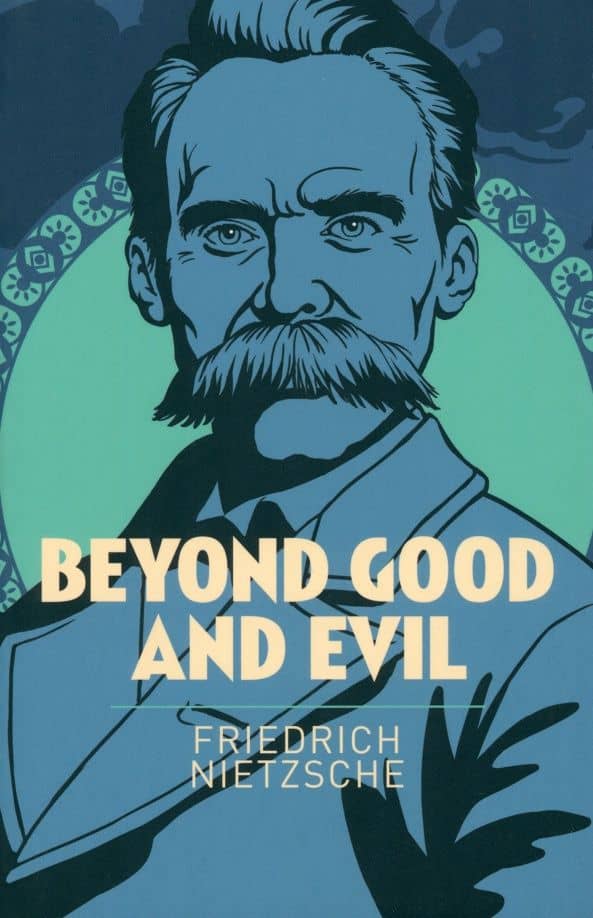
Human, All Too Human


Ranging from a few words to a few pages, the aphorisms in Human, All Too Human present Friedrich Nietzsches thoughts on a variety of subjects, including the nature of reality (metaphysics); moral feelings, especially the concepts of good and evil; the argument that great art is the product of hard work as opposed to genius and inspiration; free-thinking; the evolution of men, women and children; and the limitations that people put on their own thoughts and reasoning. The first of what became three volumes, Human, All Too Human not only represented a change in style for Nietzsche after the break-up of his friendship with the composer Richard Wagner and his rejection of Schopenhauers influence, but also a move towards the views of the Enlightenment philosophers, particularly Voltaire and La Rochfoucauld. Human, All Too Human marks Nietzsches decision to embrace new concepts and a fascinating turning point in the work of one of the 19th centurys greatest philosophers.
Go to description and details| Publisher | Arcturus |
| Series | Arcturus Classics |
| Publication year | 2021 |
| Pages | 272 |
| Language | Английский |
| ISBN | 978-1-83857-480-2 |
Reviews
Description and details
Ranging from a few words to a few pages, the aphorisms in Human, All Too Human present Friedrich Nietzsches thoughts on a variety of subjects, including the nature of reality (metaphysics); moral feelings, especially the concepts of good and evil; the argument that great art is the product of hard work as opposed to genius and inspiration; free-thinking; the evolution of men, women and children; and the limitations that people put on their own thoughts and reasoning. The first of what became three volumes, Human, All Too Human not only represented a change in style for Nietzsche after the break-up of his friendship with the composer Richard Wagner and his rejection of Schopenhauers influence, but also a move towards the views of the Enlightenment philosophers, particularly Voltaire and La Rochfoucauld. Human, All Too Human marks Nietzsches decision to embrace new concepts and a fascinating turning point in the work of one of the 19th centurys greatest philosophers.
| Publisher | Arcturus |
| Series | Arcturus Classics |
| Publication year | 2021 |
| Pages | 272 |
| Language | Английский |
| ISBN | 978-1-83857-480-2 |
| Cover | обл - мягкий переплет (крепление скрепкой или клеем) |
| Paper | Офсет |
| Illustrations | Без иллюстраций |
| Dimensions | 130 × 198 × 16 mm |
| Weight, g | 206 |